
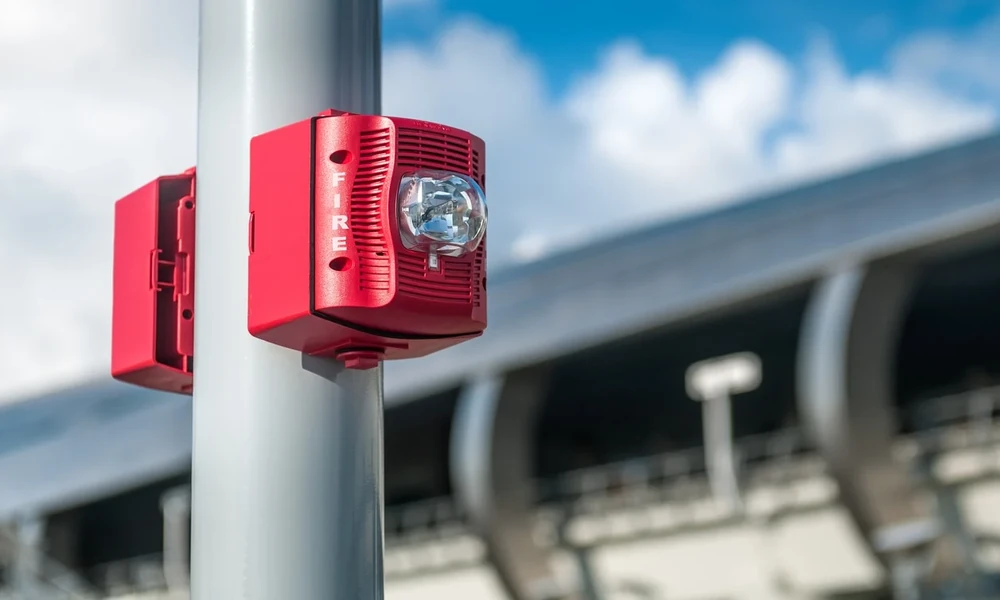
Protecting occupied premises requires dependable warning measures that support quick action when smoke or heat signals danger. A fire alarm provides early notice through connected detection devices with audible alerts and visible indicators. It can help staff recognize an emergency sooner while established response steps guide movement toward safer areas. Pace Protections commercial security systems can support this coordinated approach effectively.
Early Detection Supports Faster Action
Early detection gives occupants valuable time to recognize danger and begin suitable response steps. Sensors can identify smoke or unusual heat before conditions become harder to manage. Alerts can reach offices and shared rooms without creating confusion. A well planned security system connects detection points with notification methods so warnings reach suitable areas without delay. This supports earlier recognition before conditions become difficult to manage safely.
Reliable Alerts Improve Emergency Awareness
Clear alerts help people understand that immediate action may be required. Audible signals can notify occupants when visual indicators are not noticed quickly. Visible warnings can assist people working near loud equipment. A dependable security system should coordinate these signals so occupants receive consistent information throughout the property. Consistent notification helps occupants respond with less hesitation during sudden events.
Coordinated Detection Covers Key Areas
A commercial property may contain offices alongside meeting rooms. Corridors and storage sections may also require suitable coverage. Utility spaces can need additional attention based on their purpose and structure. Each location should receive suitable detection coverage according to its use. Pace Protections commercial security systems can support planning that connects detection points with broader protective measures.
- Sensors positioned near suitable ceiling locations for reliable coverage
- Audible alerts placed where occupants can hear warnings clearly
- Visible indicators supporting notice within louder working areas quickly
- Control equipment organized for straightforward status checking during routine checks
- Emergency instructions displayed near commonly used workplace exit routes
Routine Testing Maintains Readiness
Regular testing helps confirm that detection devices and alarms remain ready for use. Power sources should also receive suitable attention during scheduled checks. Inspections can identify weak batteries before they affect operation. Damaged wiring may require prompt correction. Blocked sensors can also reduce proper detection. A documented inspection schedule gives managers a clear record.
Safety Planning Supports Occupied Workspaces
Fire protection works best when equipment and staff procedures support each other. Employees need clear instructions about alarm signals. They should also understand exit routes and assembly areas. Assigned responsibilities should remain simple enough for staff to remember. Training can reduce hesitation when an alert occurs.
| Area | Suitable Focus |
| Alarm signals | Clear sounds with visible warnings |
| Exit routes | Open paths with readable signs |
| Staff readiness | Simple duties with regular practice |
| Equipment checks | Scheduled inspections |
Reliable fire protection relies on early detection and clear alerts. Suitable coverage also supports dependable operation during emergencies. Regular testing can identify equipment concerns before they become serious. Staff preparation gives occupants clear direction when an alert occurs. Combining these measures with practical procedures can strengthen workplace readiness while keeping protective arrangements suitable for changing commercial needs.
FAQ
How often should commercial fire alarm equipment be tested?
Qualified personnel should test equipment regularly according to applicable requirements.
Why are visible alerts useful inside busy commercial workplaces?
They help occupants notice warnings where background noise affects hearing.
What supports dependable alarm coverage across larger commercial properties?
Proper detector placement and regular testing help maintain dependable coverage.