
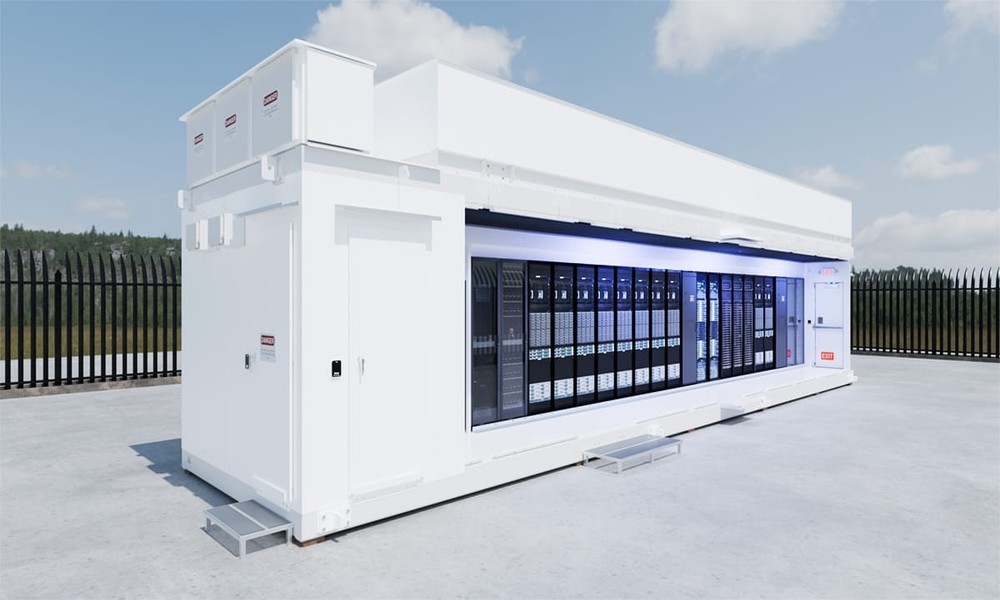
In a world where digital demand is accelerating, data centers are no longer just background infrastructure. They are mission-critical, high-stakes environments where a single misstep can cost millions. So how do you future-proof such a complex ecosystem? The answer lies in modular design, a philosophy that’s transforming the landscape of data center architecture.
The Case for Modular Data Center Design
Building out a data center used to mean trying to predict every future requirement up front. Those days are gone. Today’s realities require facilities to handle unpredictable growth, fast-changing technologies, and new operational threats. That’s why modularity has become not just desirable but essential.
Evolving Demands and Longevity in Data Infrastructure
Traditional data centers often reach a breaking point within years, unable to adapt to the tidal wave of new devices, cloud services, and data storage needs. A modular approach defies this limitation. By planning for change, not just today’s needs, operators can keep their facilities relevant for decades, not just years.
Key Benefits of Modularity: Flexibility, Scalability, and Resilience
Why does modularity matter? Three reasons dominate:
– Flexibility: Facility teams can expand, reconfigure, or repurpose spaces with minimal downtime.
– Scalability: New modules, whether power, cooling, or storage, can be added as demand grows.
– Resilience: Isolated modules mean faults stay contained, not spreading to the entire facility.
These advantages shape every phase of a data center’s lifecycle, from design to operation.
Exploring the Stendel + Reich Architecture Data Center Project
Theory is one thing. Practice is another. The Montreal metropolitan area is home to a striking real-world example: a 109,000-square-foot data center developed by Stendel + Reich data center architect. This facility embodies modular thinking at every level.
Overview of the Montreal Metropolitan Area Facility
Completed in 2016, the $80 million project delivers on scale and ambition. It’s not just about racks and cables. The design includes a massive 35,000-square-foot cleanroom, supporting advanced manufacturing and high-tech processes, as well as a robust 10 MW power backbone.
Design Goals: Meeting Uptime Institute Standards Class 2 to 3
Reliability is non-negotiable. Here, the facility targets Uptime Institute standards between Class 2 and 3, ensuring high availability even in the face of equipment failures, maintenance, or external threats. Achieving this involves both duplication of critical systems and intelligent zoning, perfect fits for modular strategies.
Cleanroom Integration and Power Capacity Challenges
Fitting a cleanroom into a living, operational data center is a feat of engineering. Cleanrooms demand rigorous environmental control, free from dust, contaminants, even the slightest temperature fluctuation. Modular HVAC and filtration systems allow these spaces to function independently, safeguarding both equipment and sensitive operations.
Modular Components and Systems in Action
So, how do these modular principles come to life?
Building Shell and Interior Spaces Designed for Adaptation
The exterior and core shell are constructed to allow for seamless internal reconfiguration. Whether the need is for more server racks, expanded employee workspaces, or new specialty rooms, walls and infrastructure can be shifted with minimal disruption.
Power Infrastructure: 10 MW Capacity and 48-Hour Autonomy Generator System
With 10 megawatts at its disposal, this facility is ready for serious computing power. Its modular electrical systems and a complex generator array add true resilience, offering up to 48 hours of autonomous operation if grid power fails. Each power module can be isolated for maintenance or replaced without halting operations.
Cooling and Environmental Controls: The 35,000 sq.ft. Cleanroom
Maintaining pristine air quality and tight climate control in 35,000 square feet is no small task. Modular cooling units and air handling systems provide redundancy and adaptability. As the needs of the cleanroom evolve, these systems can scale up or down as required, no need for costly overhauls.
Engineering Resilience Through Modularity
Physical structure is just the start. Modularity drives operational health and disaster readiness.
Redundancy and Fault Tolerance in Critical Systems
By compartmentalizing power, cooling, and network paths, failures in one area don’t cascade to others. This fault tolerance is a direct benefit of modular thinking, supporting continuous uptime and smooth recovery from incidents.
How Modular Design Enhances Disaster Preparedness
In crisis scenarios, fires, floods, cyberattacks, the ability to isolate, shut down, or reroute specific modules can prevent widespread damage. Rapid replacement and expansion also accelerate post-disaster recovery, keeping mission-critical services online.
Maintenance and Upgrade Pathways Over a 20-Year Lifecycle
No facility stands still for 20 years. As technologies leap forward, modular components make upgrades and replacements routine, not disruptive. IT teams can introduce new server tech or eco-friendly cooling without gutting legacy infrastructure.
Lessons from Construction and Cost Management
Big builds come with big risks, and big budgets. The Montreal project cost $80 million but is designed to deliver value over decades.
Balancing Upfront Investment with Long-Term Value
While modular construction may require a bigger initial outlay, long-term ROI is compelling. Reduced downtime, simplified upgrades, and deferred capital expenditures create strong financial incentives.
Managing Complex Systems Integration in Modular Builds
Seamlessly blending disparate power, cooling, and IT modules requires close coordination. Successful projects rely on integrated planning from day one, preventing compatibility headaches later.
The Role of Collaboration Between Architects, Engineers, and Clients
True modularity demands ongoing collaboration. Architects, engineers, and client teams must align on goals, anticipate future needs, and design with adaptability always in mind.
Future-Proofing Data Centers with Modular Principles
How do you avoid obsolescence in a world defined by rapid change?
Anticipating Technological Advances and Capacity Growth
A modular blueprint allows facilities to roll out new technologies and add capacity at the pace of innovation, sidestepping the costly cycle of tear-down and rebuild.
Sustainability and Energy Efficiency Considerations
Efficient power and cooling modules make it easier to lower energy use and shrink the facility’s carbon footprint, an important consideration for both regulators and clients.
The Modular Model as a Blueprint for Next-Gen Data Facilities
As edge computing and new digital services expand, modular design is fast becoming the default for next-generation data centers worldwide.
Conclusion: The Strategic Advantage of Modular Data Centers
Success in digital infrastructure hinges on agility. The Montreal facility demonstrates how modularity, the ability to adapt, expand, and recover quickly, delivers an unmatched blend of reliability and future-proofing. For organizations planning new builds or retrofits, taking a cue from the Stendel + Reich project is a strategic move. Modular design is more than a trend; it’s the new standard for resilient, efficient, and scalable data centers.